

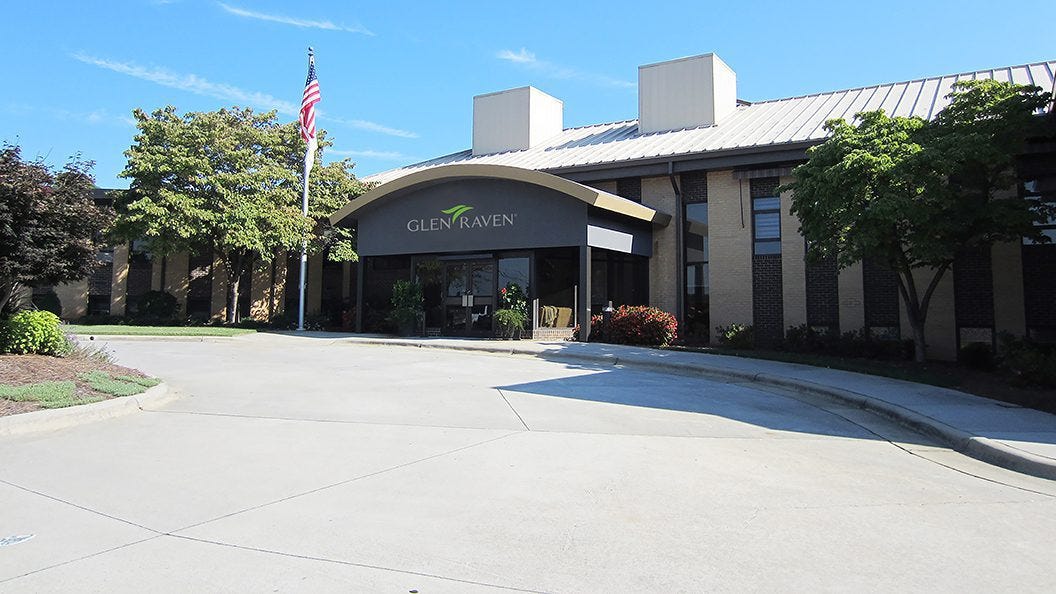
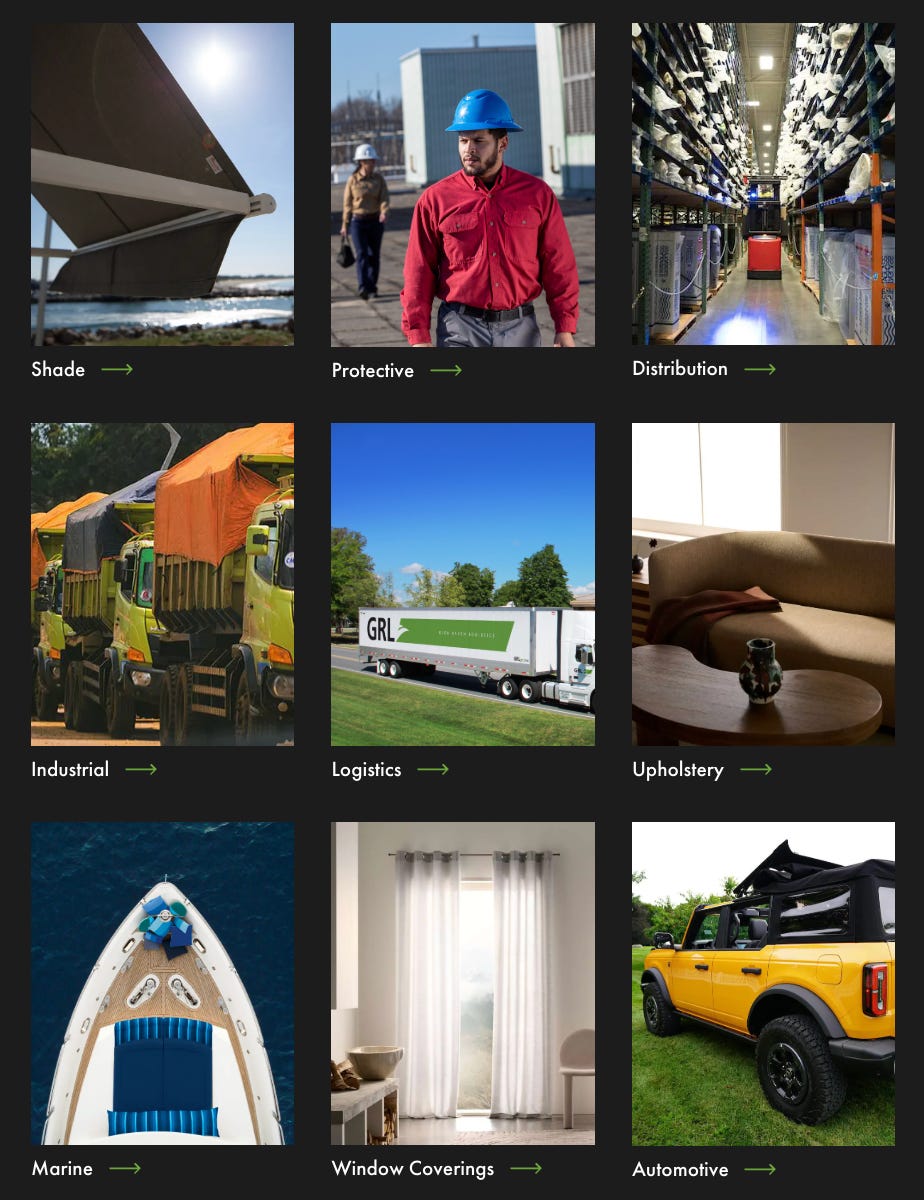
For decades, Glen Raven has been a name synonymous with quality. Its flagship product, Sunbrella, has covered everything from luxury yachts to outdoor furniture — a global symbol of durability and design.

But behind the fabric, another story was unfolding. A story about integration pain, data loss, and legacy systems stretched to their limit. A story many enterprises know too well.
Because when your business runs on dozens of systems — ERP, OMS, WMS, planning, and fulfillment — the weakest link defines the speed of your entire operation.
Reimagining the Flow of Intelligence
The challenge wasn’t inefficiency — it was alignment.
Each system had data, logic, and rules, but no shared context.
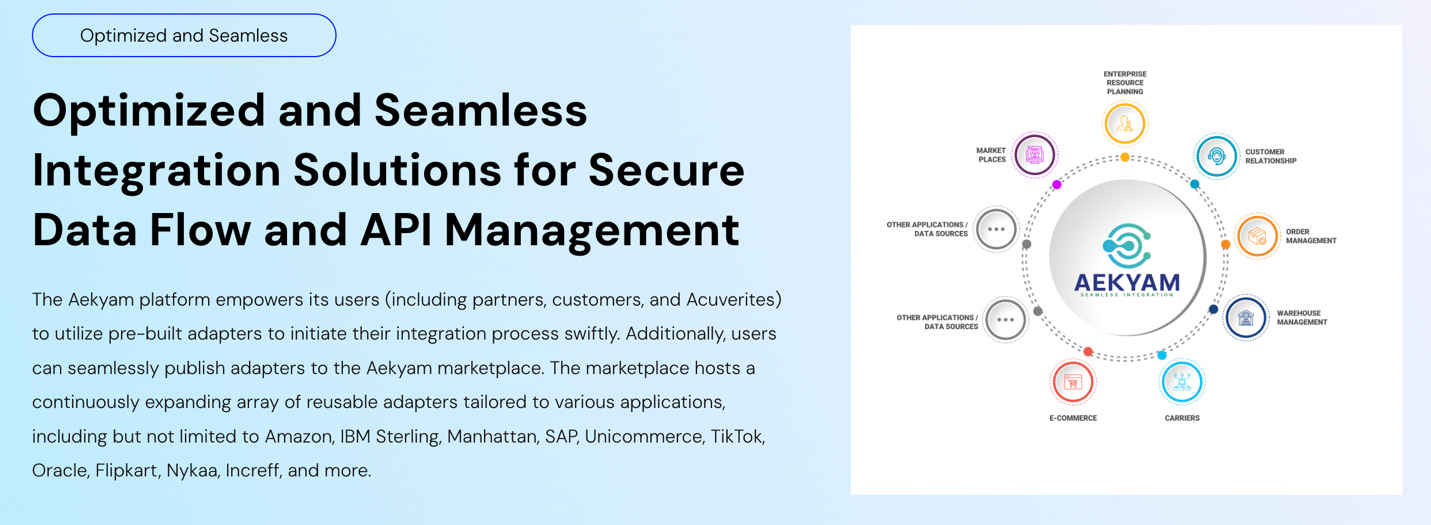
Aekyam changed that by introducing an AI-powered orchestration layer — one that connects intelligence across every part of the supply chain.
Instead of moving transactions blindly between systems, Aekyam understands the intent behind every event, predicting disruptions, adapting workflows, and keeping data in sync — automatically.
As Donovan Edmundson, IT Operations Lead at Glen Raven, explained:
“We used to spend hours tracing transactions and fixing sync issues.
Now, Aekyam monitors and resolves them in real time.
It’s like the system finally started thinking for itself.”
The Turning Point
When Glen Raven’s team deployed Aekyam, they didn’t go after every problem at once. They picked their biggest pain point: integration stability.
“That was our daily battle,” Donovan said. “We were losing data every single day. So we decided to start there.”
Within two weeks, Acuver’s team had mapped the environment, planned the architecture, and deployed the first integration.
The result was immediate.
“Suddenly, orders could be waved earlier in the day,” Donovan recalled. “That meant more pick-pack-ship cycles before cutoff — and happier customers. We could actually feel the market responding.”
The Power of Orchestration
Aekyam isn’t just an integration tool — it’s an orchestration engine that gives your entire operation rhythm and resilience.
Here’s what transformed Glen Raven’s operations:
Dynamic Orchestration: Workflows adapt as data moves, reacting instantly to change.
Autonomous Recovery: Failures self-correct without manual intervention.
Total Observability: Every transaction is traceable across systems and AI agents.
Industry Accelerators: Ready connectors for retail, supply chain, and manufacturing reduced setup time from months to weeks.
No-Code Flexibility: Business users can create or modify workflows without IT dependencies.
The results were extraordinary.
A supply chain that doesn’t just operate — it orchestrates itself.
Visibility That Fuels Velocity
Glen Raven’s orchestration journey began with one focus: stability and visibility.
Within two weeks of implementation, the Aekyam team had mapped their ecosystem, deployed orchestration flows, and stabilized order processing.
“We saw immediate improvement,” said Donovan. “Orders could be released earlier in the day, giving us more pick-pack-ship cycles. That directly impacted delivery speed and customer satisfaction.”
By synchronizing systems and insights in real time, Aekyam transformed data visibility into a competitive advantage.
From Automation to Autonomy
The shift wasn’t just operational — it was cultural. Before Aekyam, Glen Raven’s teams spent hours fixing errors. Now, they spend that time optimizing processes and exploring innovation.
From oversight to intelligence. From static processes to self-healing systems. From reactive management to proactive orchestration.
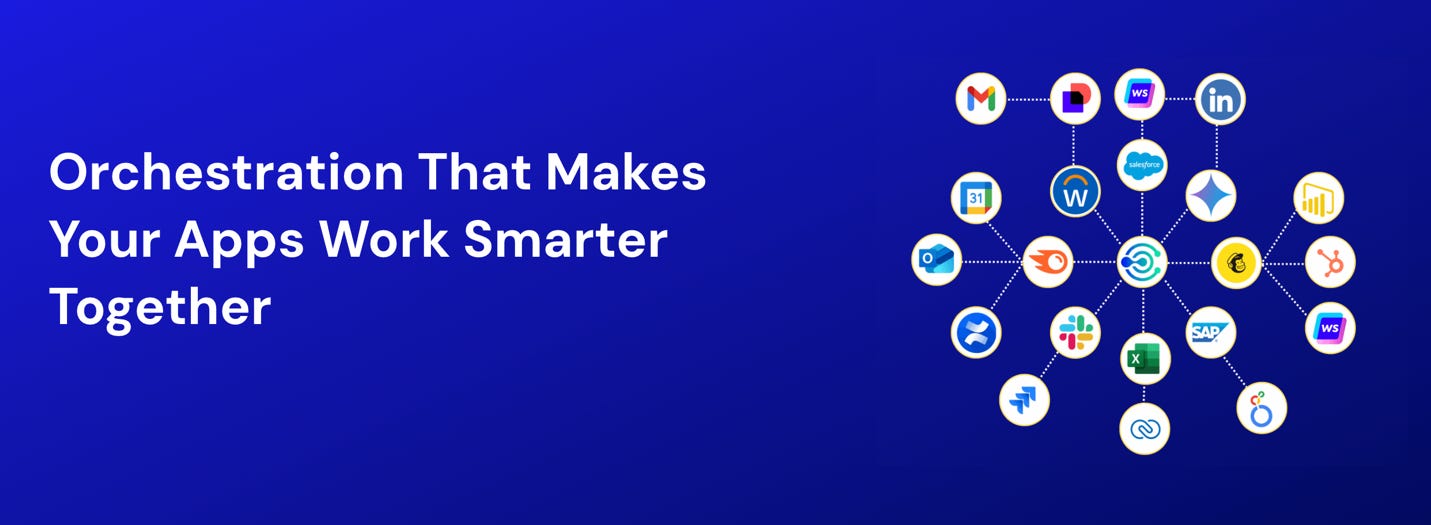
That’s the difference between automation that follows instructions — and orchestration that understands purpose.
A Thinking Layer for the Supply Chain
Aekyam introduced what Ashutosh, Chief Technology Officer at Acuver Consulting, calls the AI thinking layer — an orchestration brain capable of learning from operational signals and acting on them autonomously.
Here’s what made the difference:
Real-time orchestration: Instead of static pipelines, workflows adapt dynamically as data moves.
Autonomous recovery: When integrations fail, the system auto-retries — no human chasing errors.
Complete observability: Every interaction is traceable across ERP, OMS, WMS, and AI agents.
Prebuilt accelerators: Industry templates and connectors for supply chain, retail, and textiles — cutting implementation time from months to weeks.
No-code interface: Even non-technical teams can build, modify, or expand workflows without waiting for IT bandwidth.
And most importantly, Aekyam learns. It doesn’t just automate tasks; it builds operational intelligence that compounds over time.
Why It Matters Beyond Glen Raven
Every enterprise sitting on a mix of legacy ERP and fragmented supply-chain systems is facing the same reality: Your competitive edge is only as strong as your integration layer.
The next generation of supply-chain platforms won’t just connect systems — they’ll orchestrate them.
That’s why AI-native orchestration matters.
Because it transforms data pipelines into decision pipelines.
It turns integration from a cost center into a profit multiplier.
And it gives every business — from manufacturing to retail — something priceless: Clarity at the speed of operations.
OG’s Take
When I look at stories like Glen Raven’s, I see a clear pattern emerging across industries:
Legacy limits velocity. No matter how strong the brand, static systems slow progress.
Visibility drives trust. When teams see reality in real time, execution becomes instinctive.
AI orchestration is the bridge. Between chaos and control. Between the old ERP and the real-time enterprise.
Aekyam is proof of that shift — from data plumbing to operational intelligence.
The enterprises that understand this first will own the next decade of supply-chain dominance.
The Bigger Lesson
Integration isn’t sexy. It doesn’t make headlines like generative AI or robotics.
But it’s where transformation either lives or dies.
Because if your systems don’t talk, your business can’t think.
That’s why platforms like Aekyam matter. They don’t replace your ERP — they unlock it. They don’t disrupt your processes — they orchestrate them into something that finally makes sense.
Glen Raven didn’t just fix integration. They reinvented how their entire supply chain feels — connected, visible, responsive.
And in a world where every second counts, that’s what leadership looks like.
About the Conversation
This story comes from a discussion between:
Olivier Gomez (OG) – CEO, IAC.AI
Ashutosh Sangwan – Chief Technology Officer, Acuver Consulting
Donovan Edmundson – IT Operations Lead, Glen Raven

Together, they unpacked what it really takes to bring AI-native integration into live enterprise environments — and why it’s not about technology, but trust, visibility, and resilience.
Final Thought
The AI era won’t be defined by who has the most models. It’ll be defined by who has the most connected intelligence — systems that see, decide, and act in real time.
That’s the real transformation story.
And for Glen Raven, it started with one decision: Stop fixing problems manually. Start building systems that think.


